Bluish Spring Moth, CARROT SEED MOTh, LITTLE WHITE LICHEN MOTH, BalsA Moths, and Meganola Moths
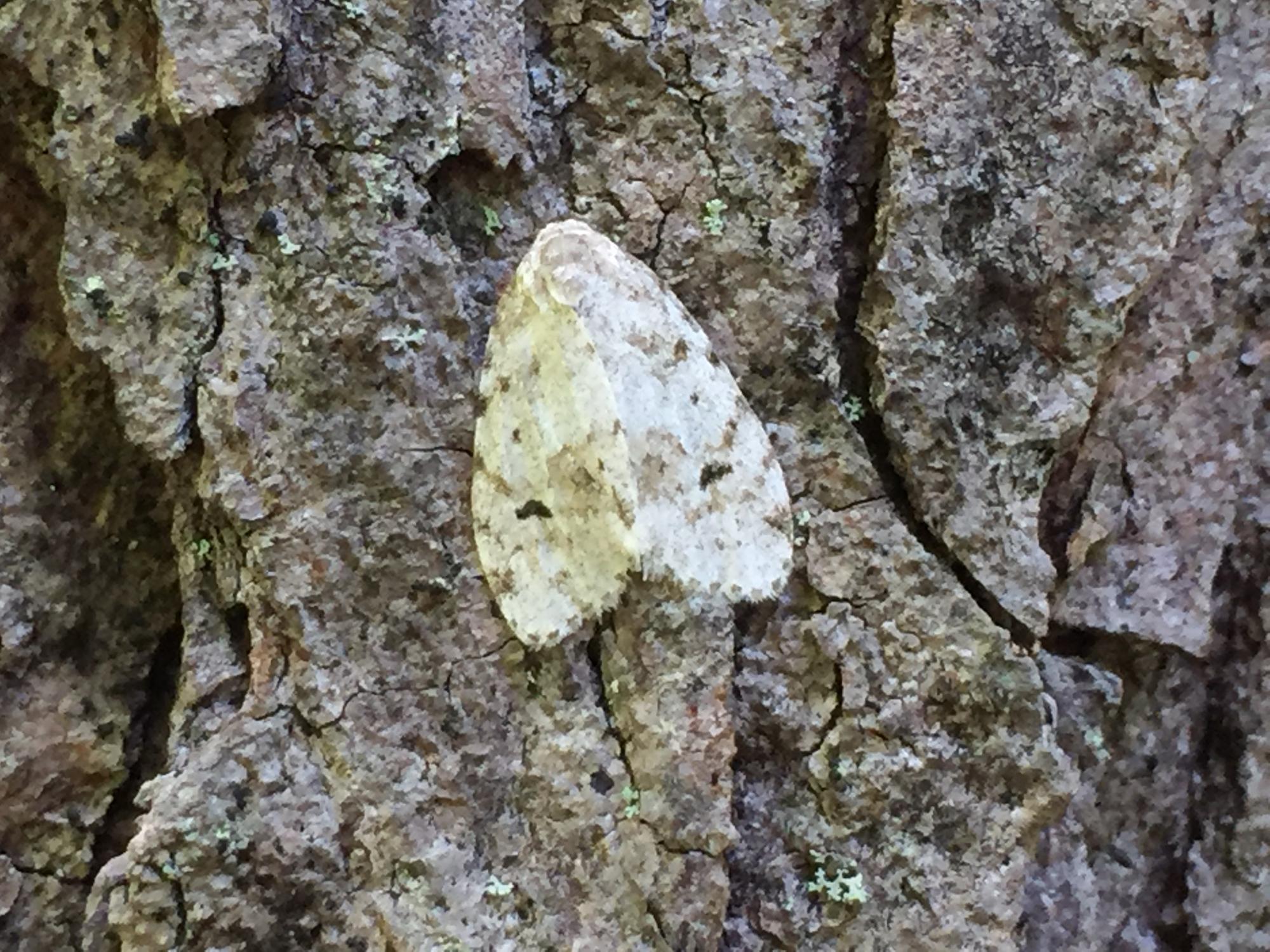
Little White Lichen moth. This is a common species in our area. I have found them every month from April through September.
This Carrot Seed Moth was nectaring on a teasel flower at Cox Arboretum. These moths are active in daytime and are often seen nectaring at flowers. They are very common in our area. I see Carrot Seed Moths in large numbers in July, with stragglers in August and September.
Here is a Little White Lichen moth in a more natural setting. This moth was resting on tree bark at Clifton Gorge.
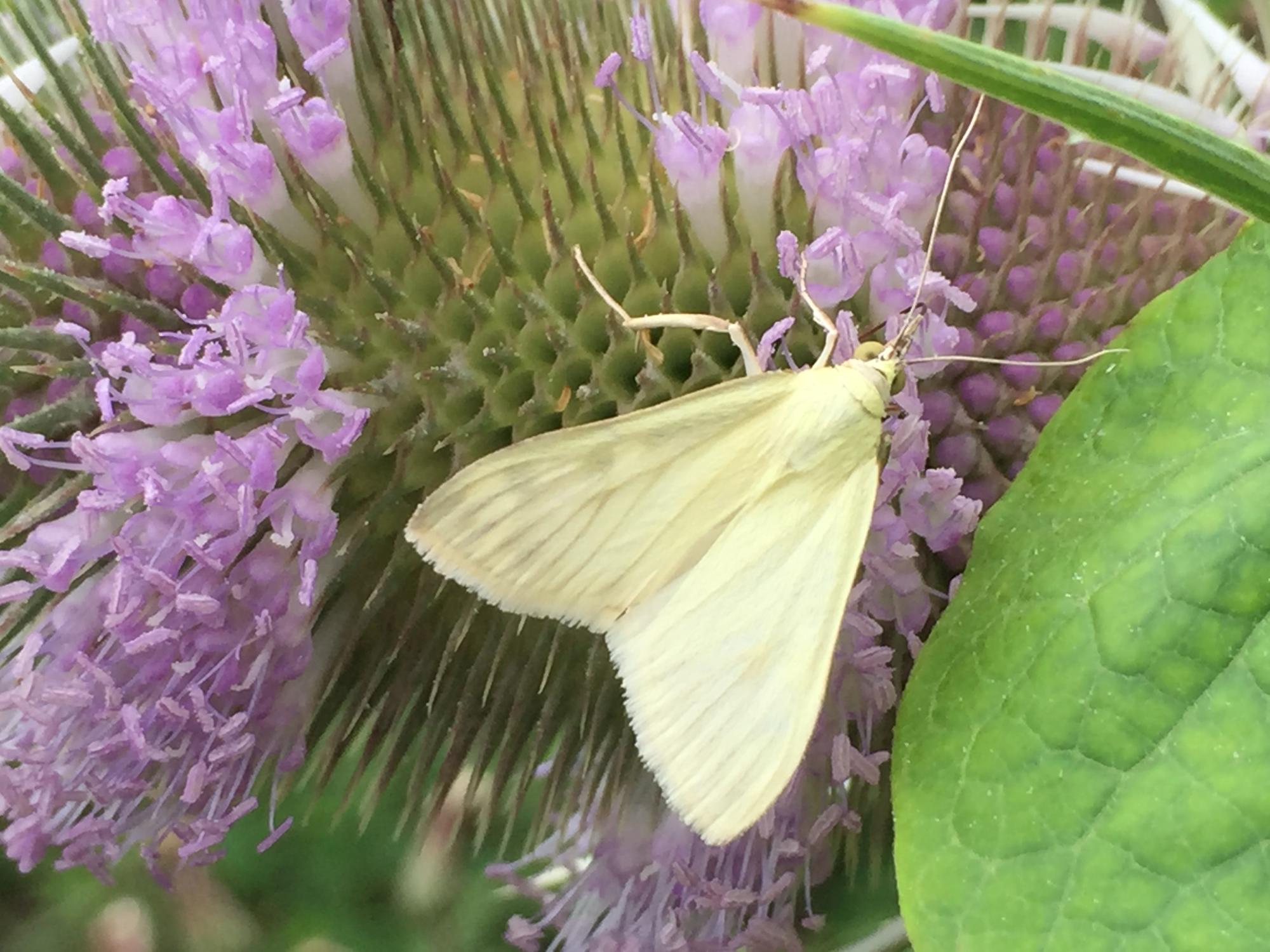
Carrot Seed Moths were introduced from Europe. Their larvae feed on Queen Anne's Lace, among other things. Notice the two dark spots, one on each wing. These spots are good field marks, although they can be faded in some individuals (as below). This individual looks very yellowish, but many Carrot Seed Moths are more white than yellow.
Bluish Spring Moth. These day-flying moths bear a notable resemblance to Spring Azure butterflies. They might easily be mistaken for that species, but their flight is weaker and more "moth-like." This individual was nectaring on redbud blossoms on April 29, 2023, at Germantown MetroPark.
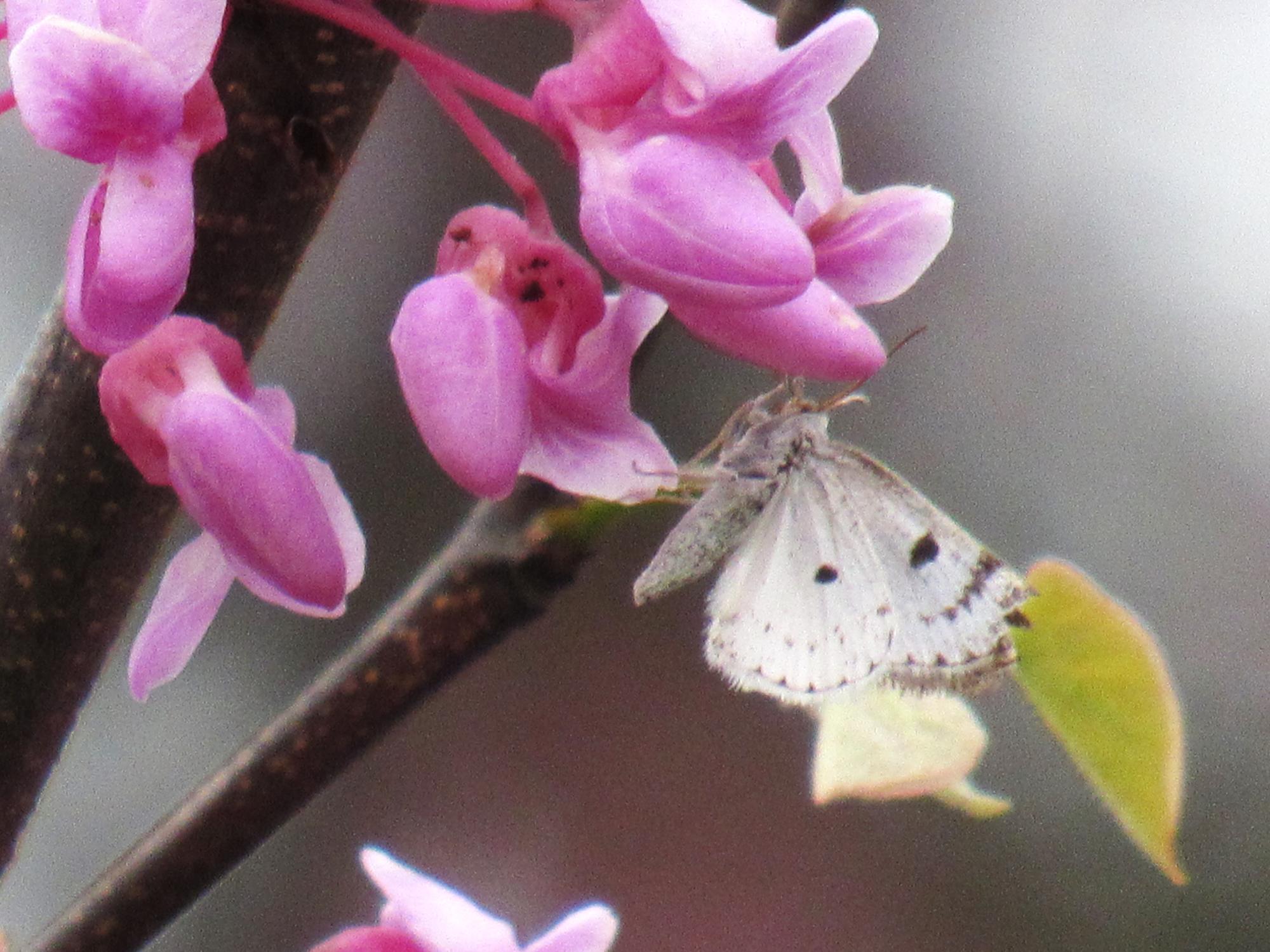
Bluish Spring Moth at Twin Creek MetroPark. This individual was puddling at damp mud. Photographed on April 14, 2024.
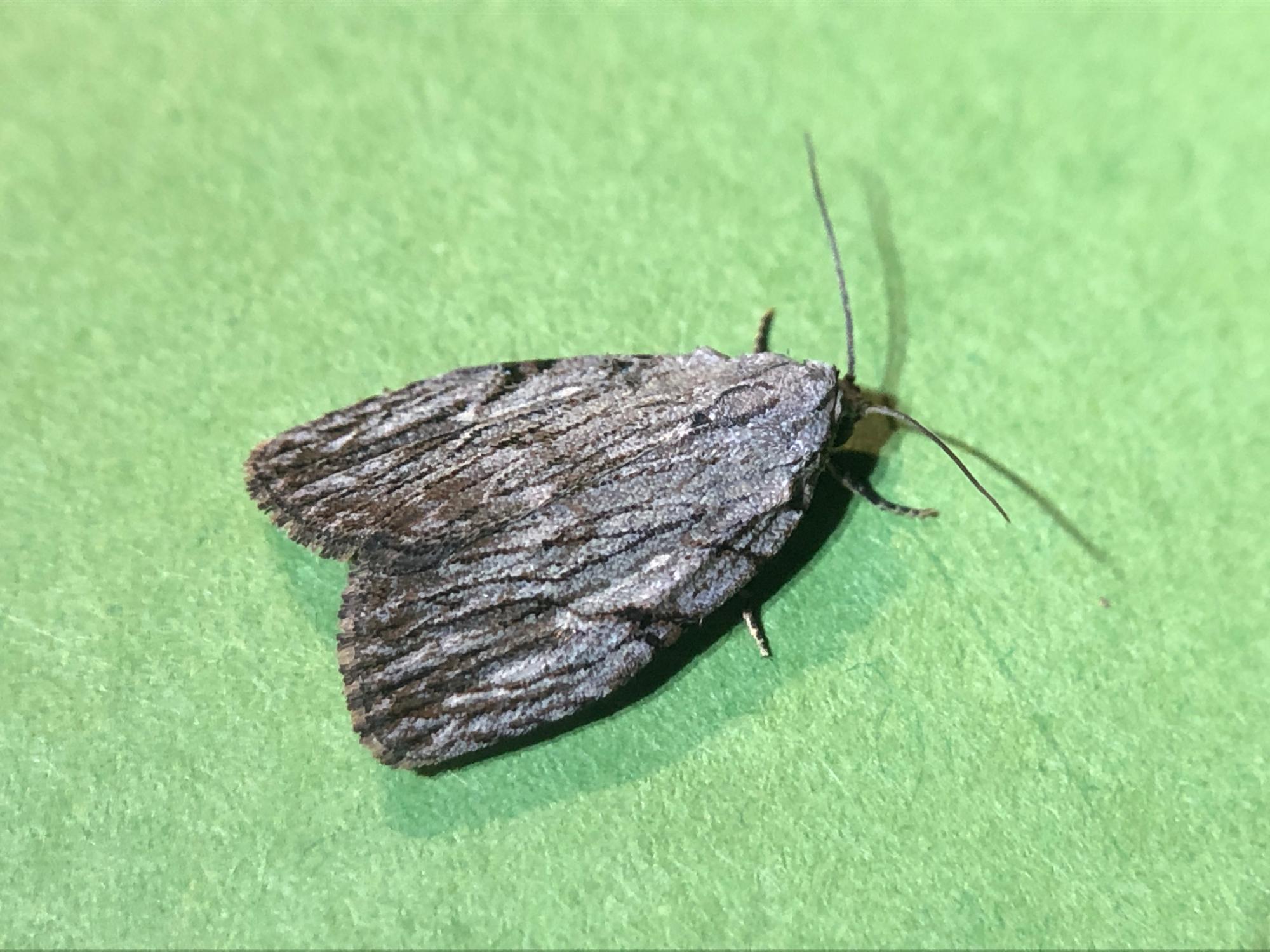
Three-lined Balsa Moth. It looks like a small, finely-grained wood chip. These moths come to my lights in May and June.
Coastal Plain Meganola. The name is a little misleading since these moths have a large range in the eastern U.S.
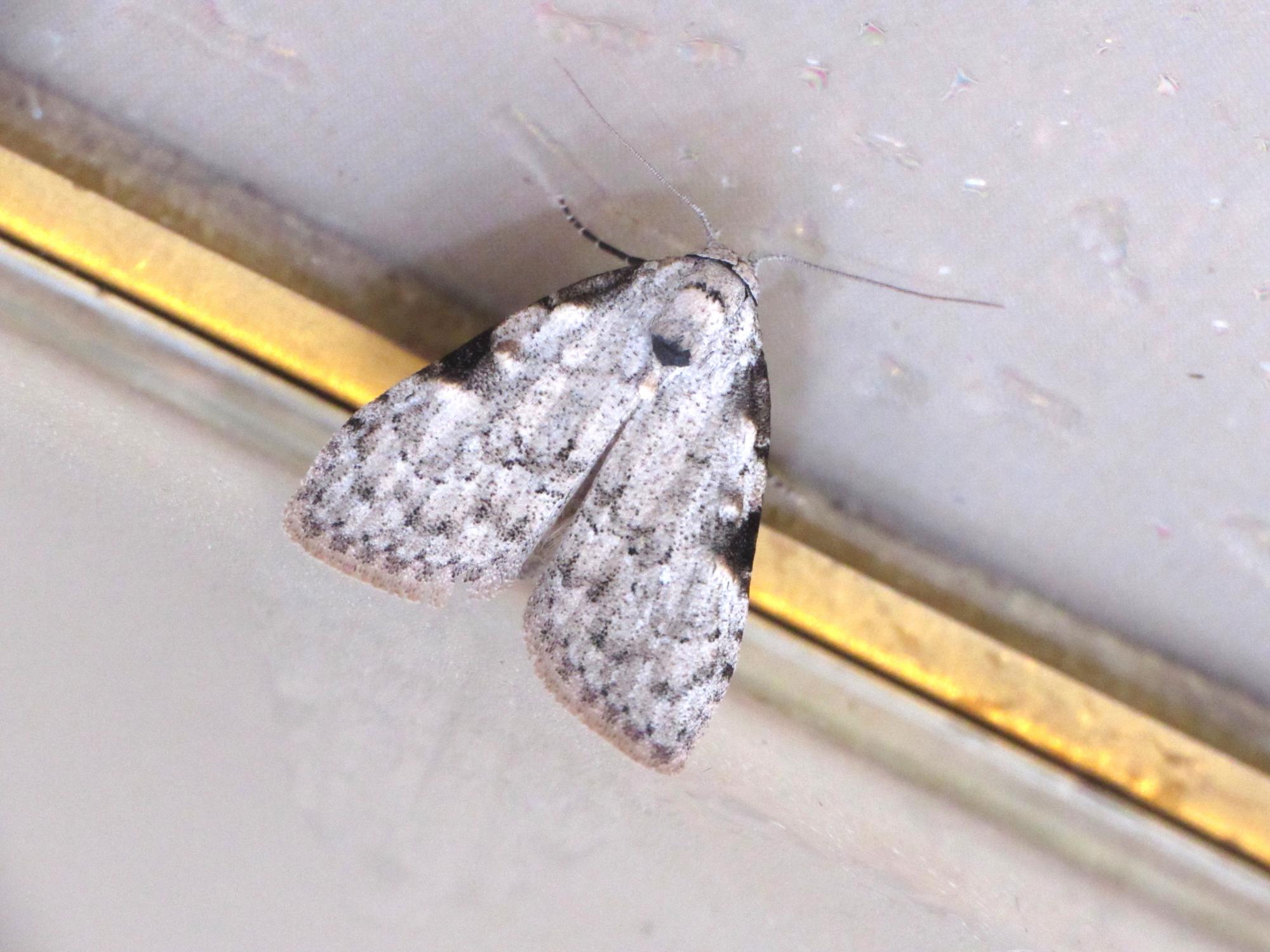
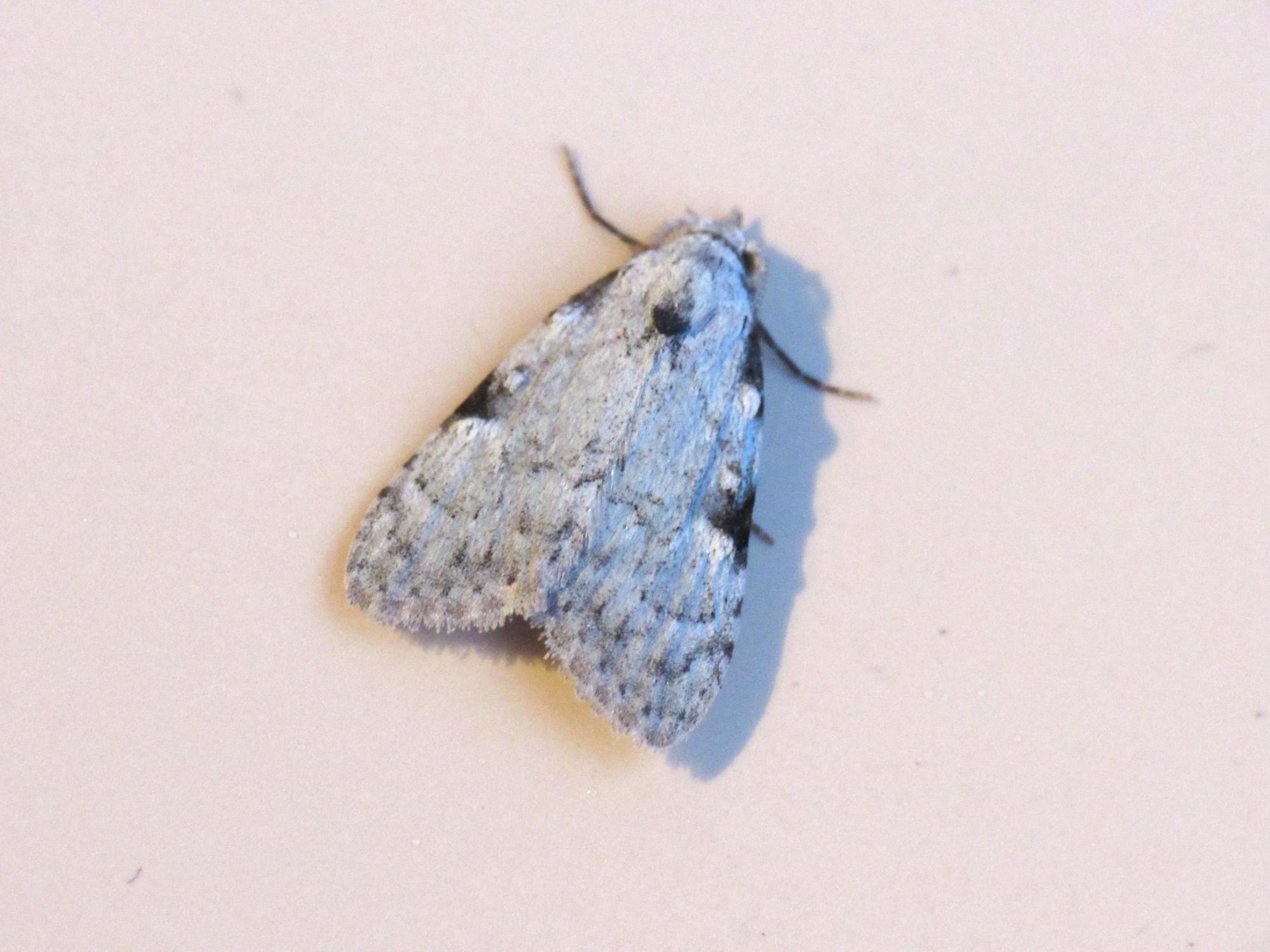
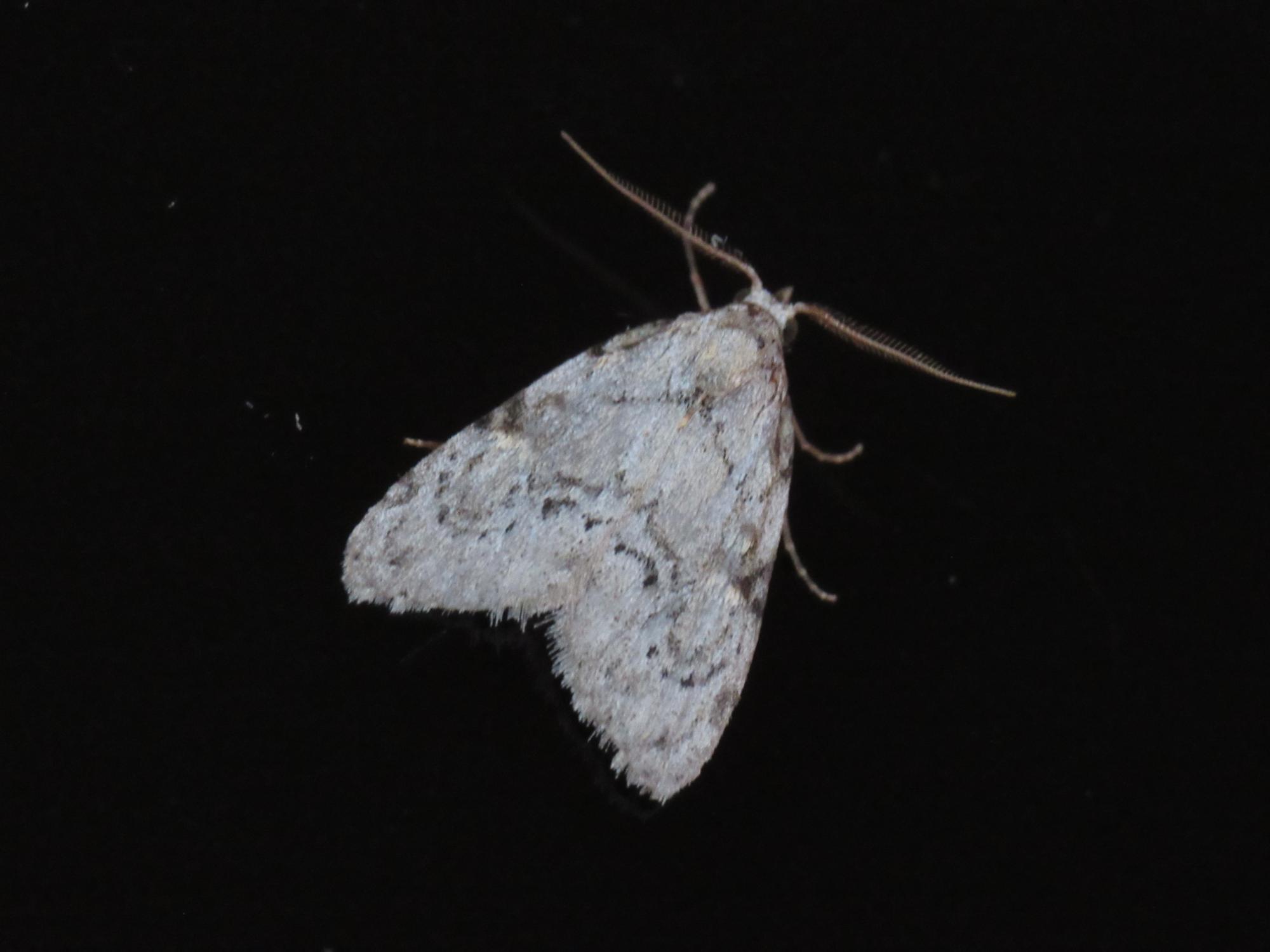
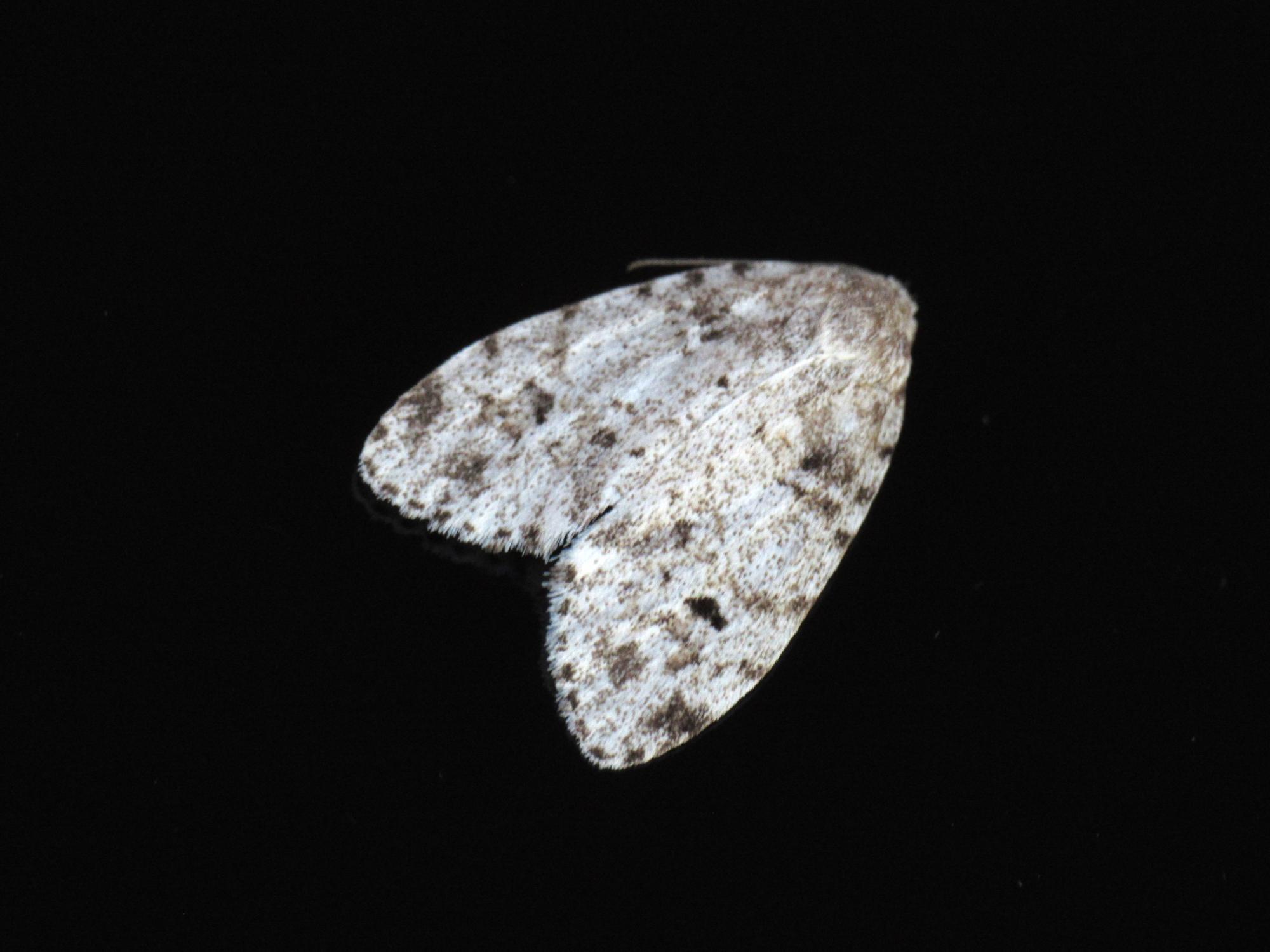

Another Coastal Plain Meganola. I have found these moths at my lights in April, May, and July.
Ashy Meganola, photographed at my moth lights on April 16, 2024. This is my only sighting of the species.


Another Little White Lichen moth, darker than the two individuals above.
This Little White Lichen moth was very unusual. It is the only one I have seen with a dark band through the wings like this.
White-blotched Balsa Moth. Note the faint white spots. I have seen two of these at my lights, both in the month of June. They are less common at my lights than the Three-lined Balsa.