MISCELLANEOUS Small MOTHS
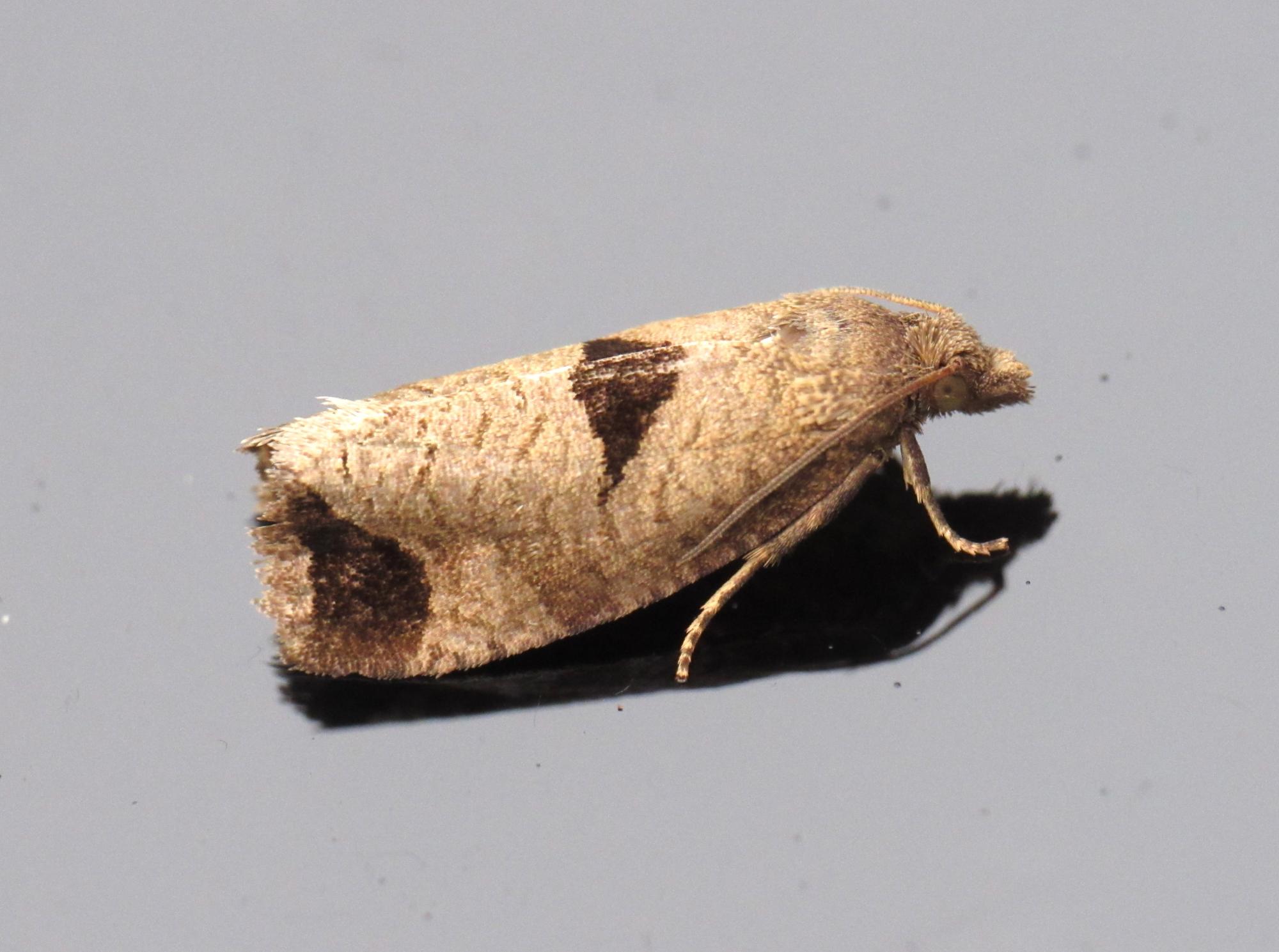
Another Triangle-backed Pelochrista. They visit my lights in September and October.
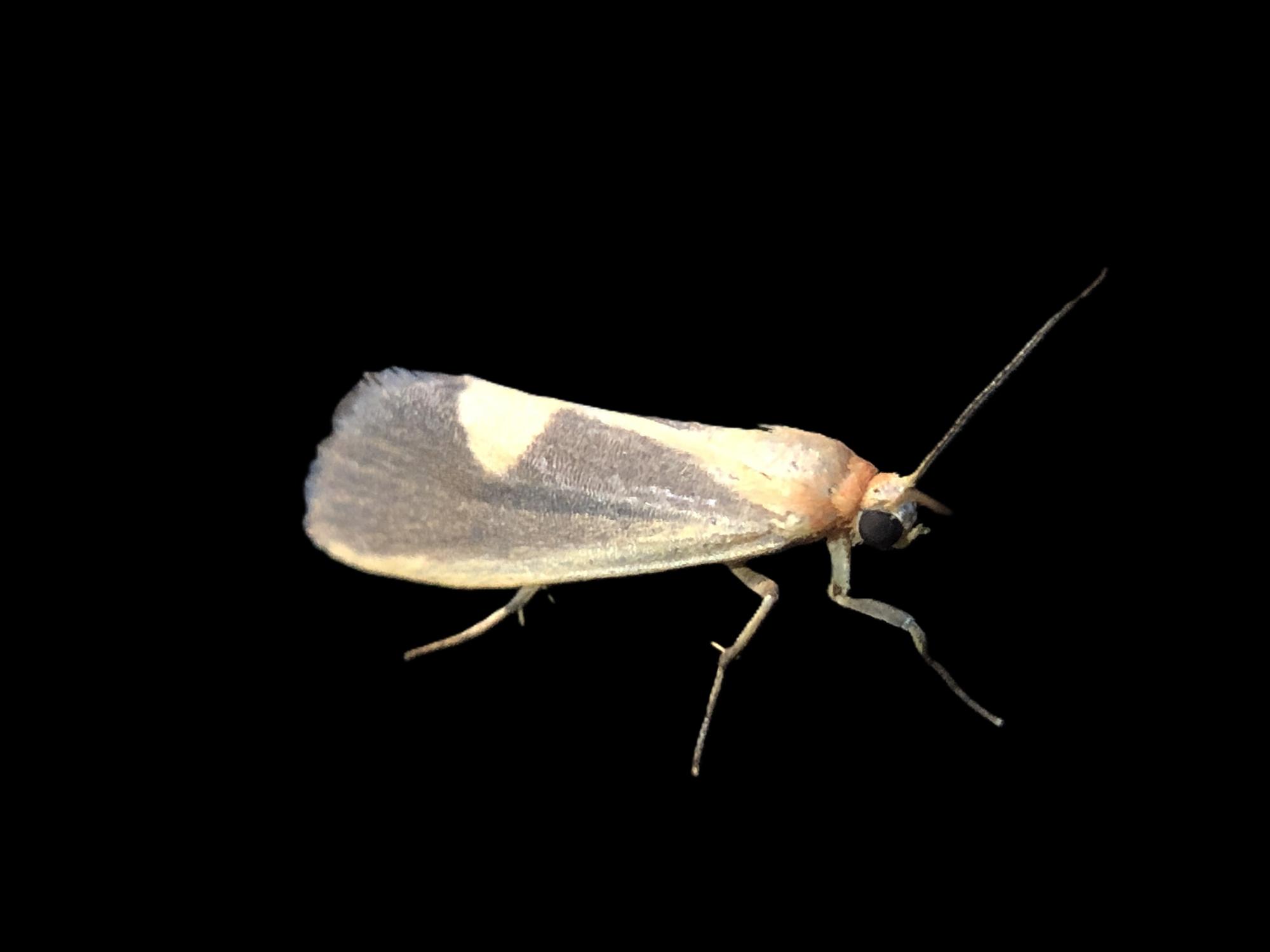
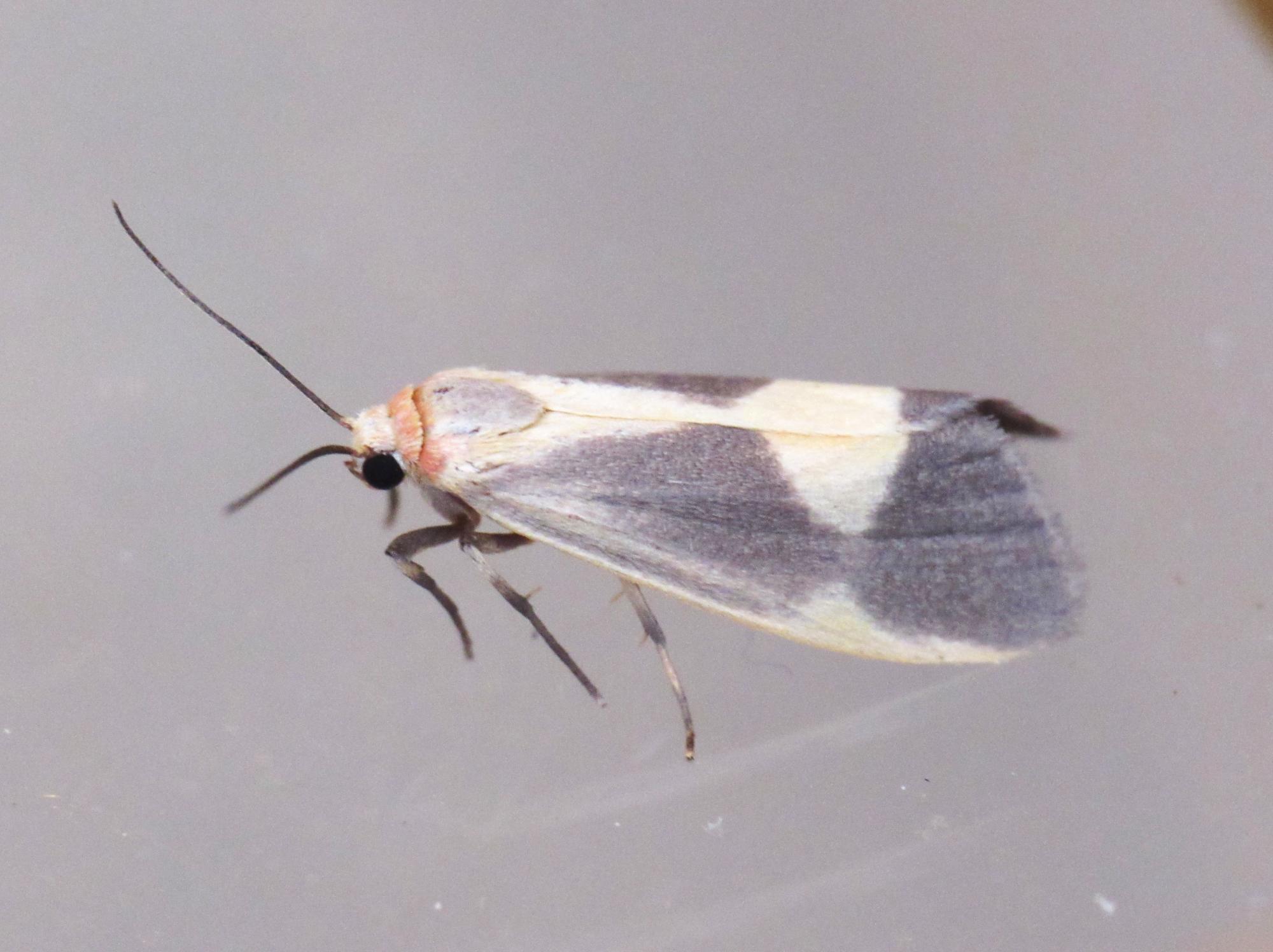
Lead-colored Lichen Moth. These moths visit my lights from May through September.
Triangle-backed Pelochrista (sometimes called the Triangle-backed Eucosma, from an earlier scientific name).
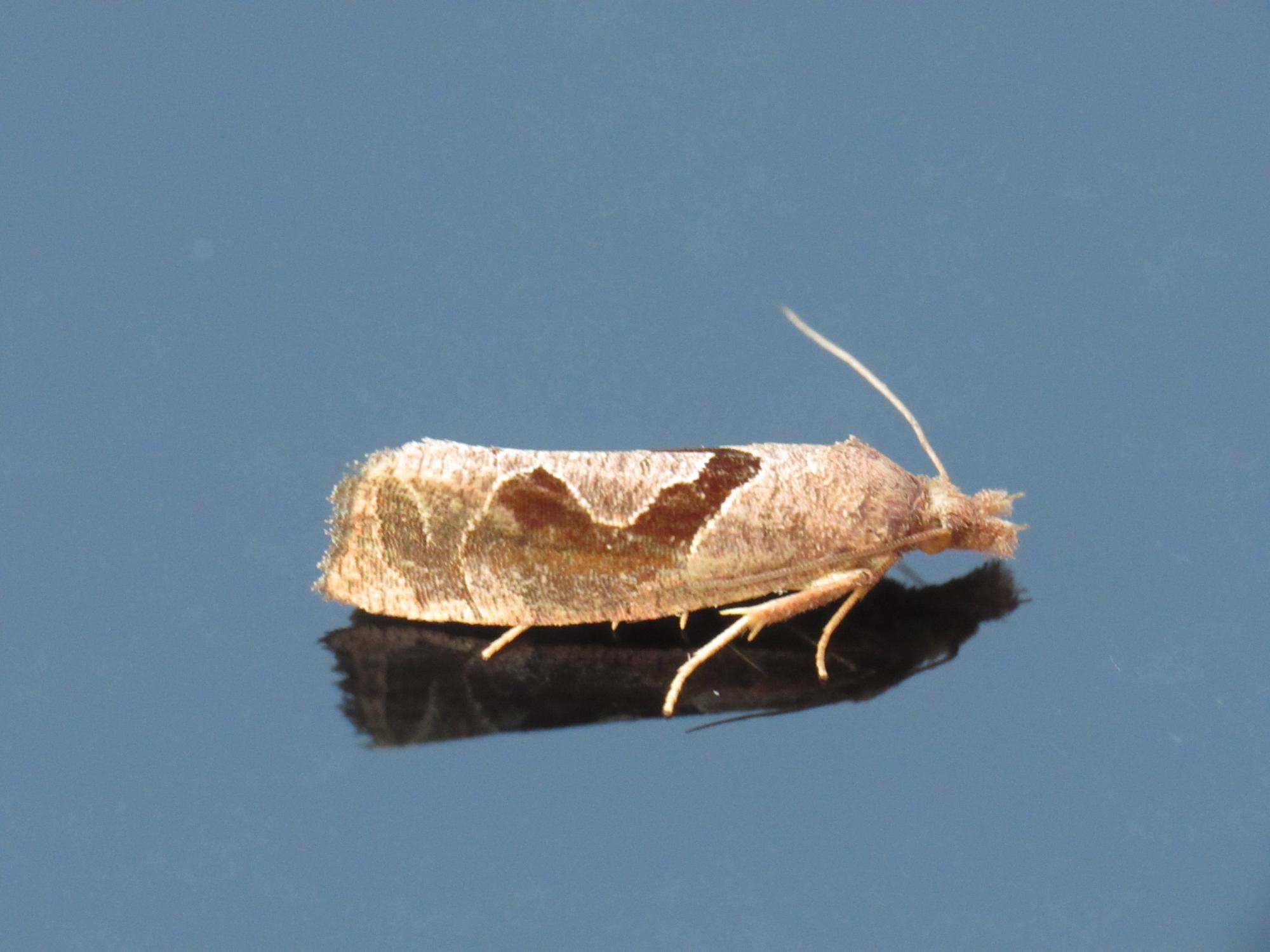
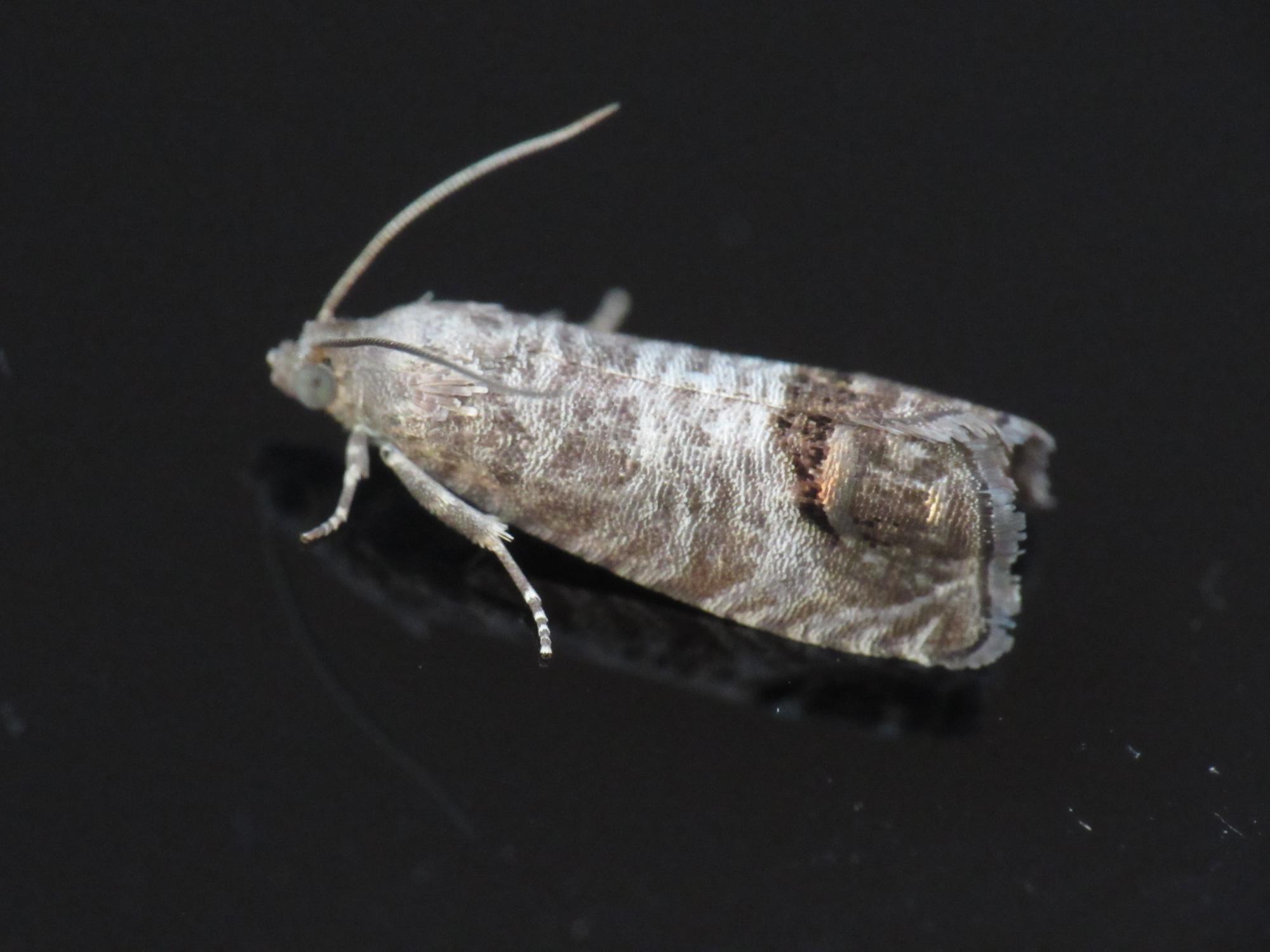
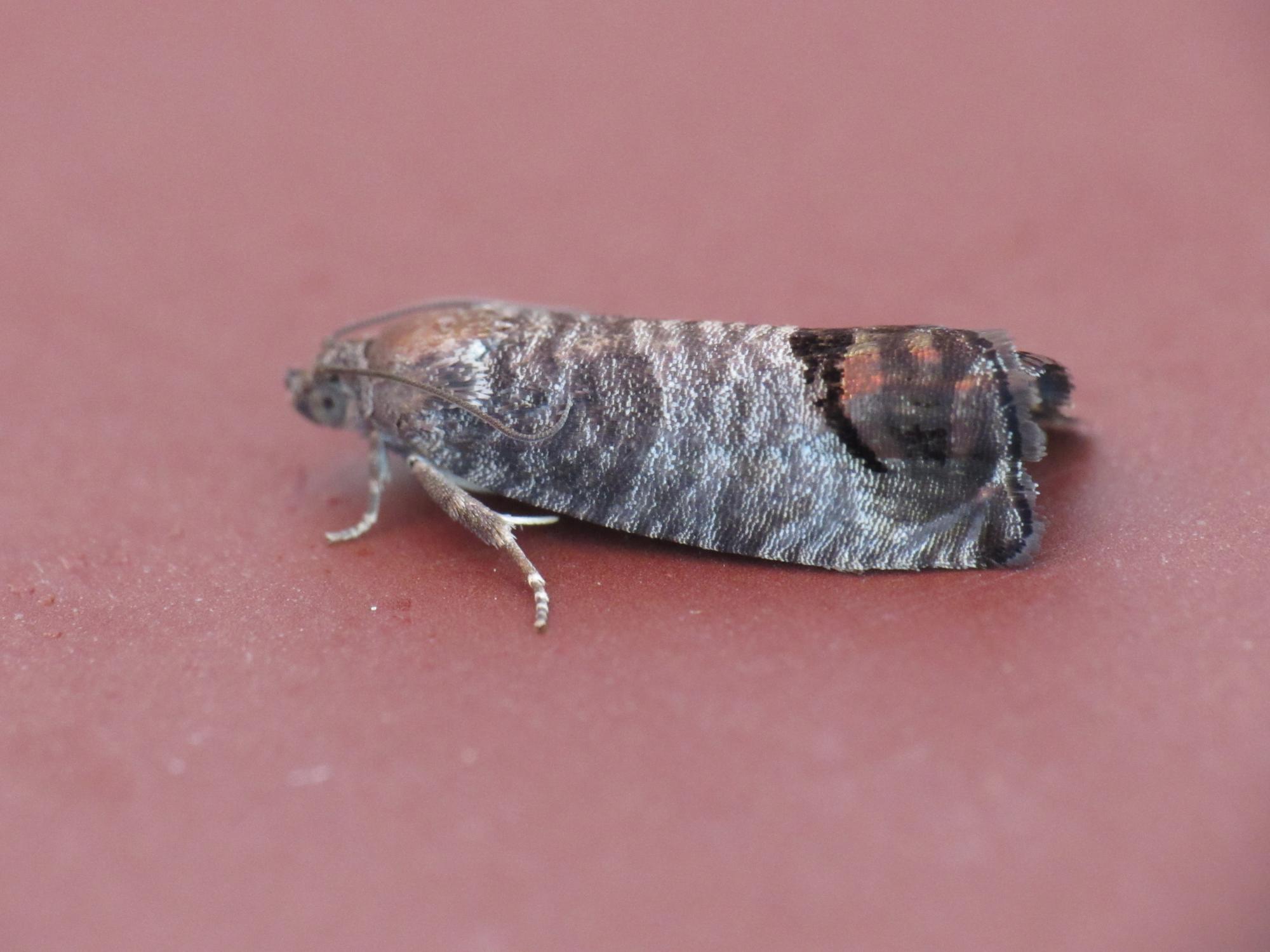
Codling Moth, a pest of apple orchards and other fruit trees. They were introduced to North America from Europe. The caterpillars of this species are the "worms" that people sometimes find in apples.
Sculptured Moth. These moths have a beautiful green and red color pattern. I have found a couple of these moths at my lights from June through August.
Greater Wax Moth. These moths are considered pests. Their caterpillars feed on beeswax in honey bee hives, among other things.
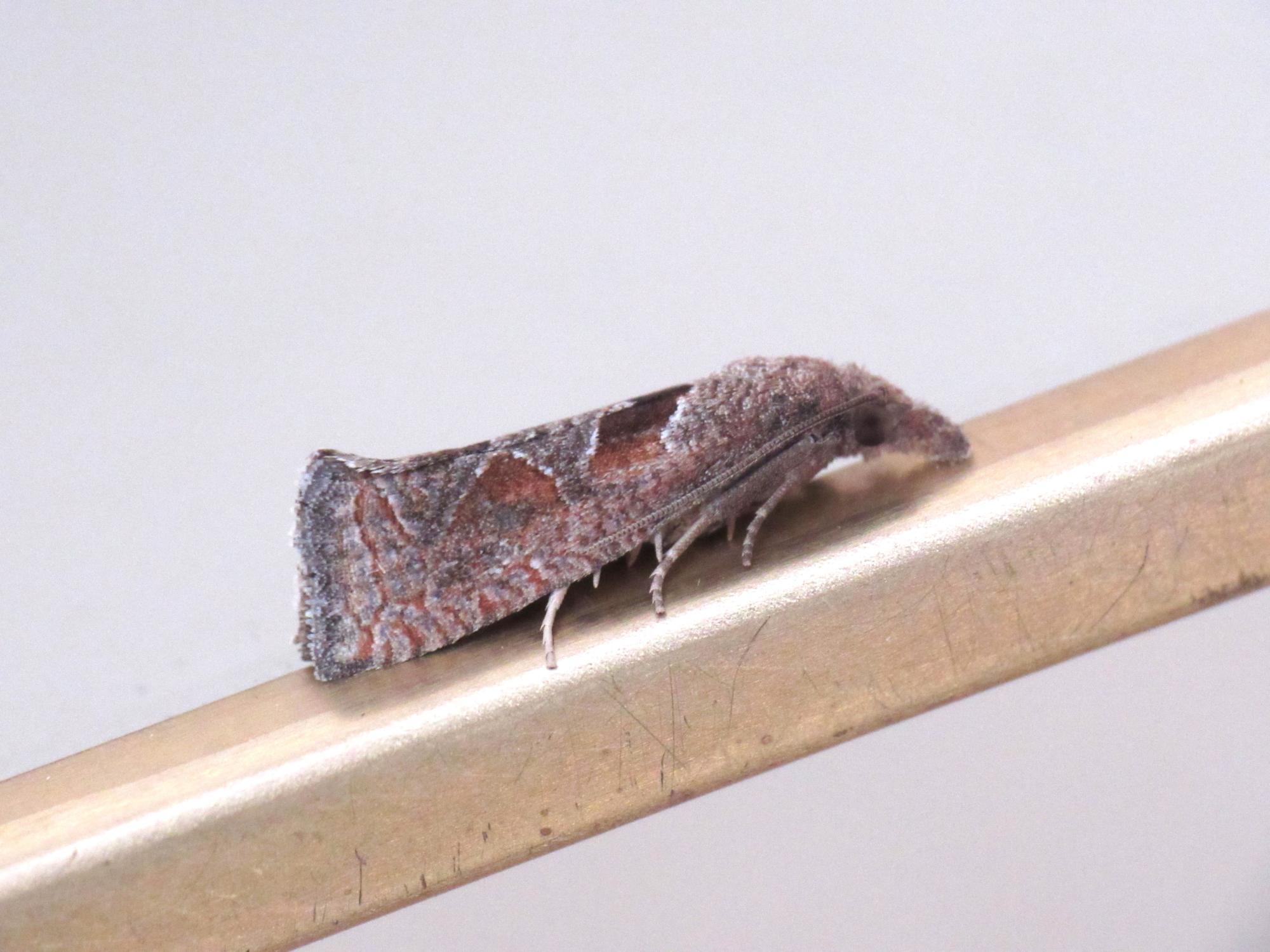
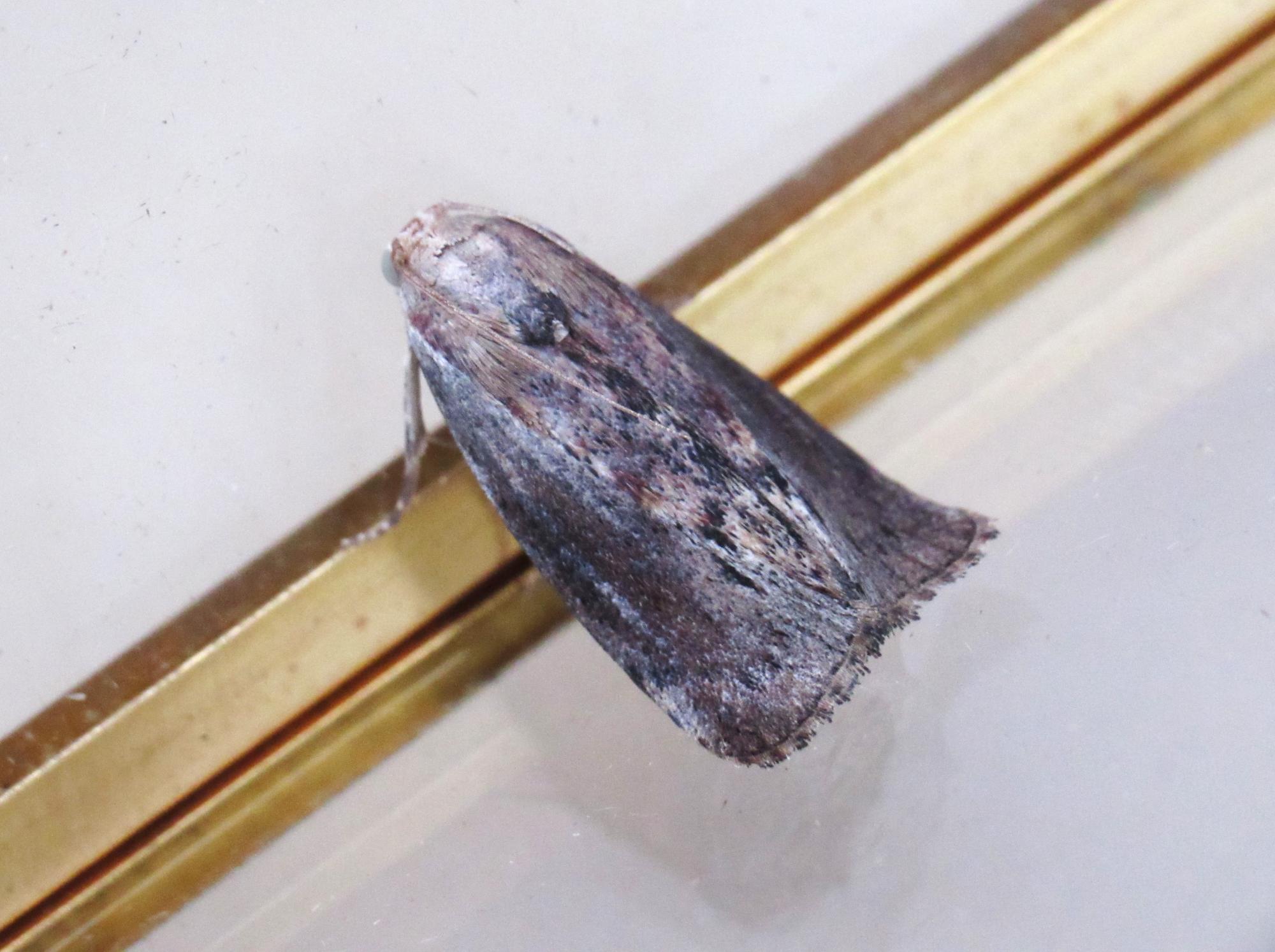
Another Greater Wax Moth. A couple of these moths have visited my lights in the months of July and September.
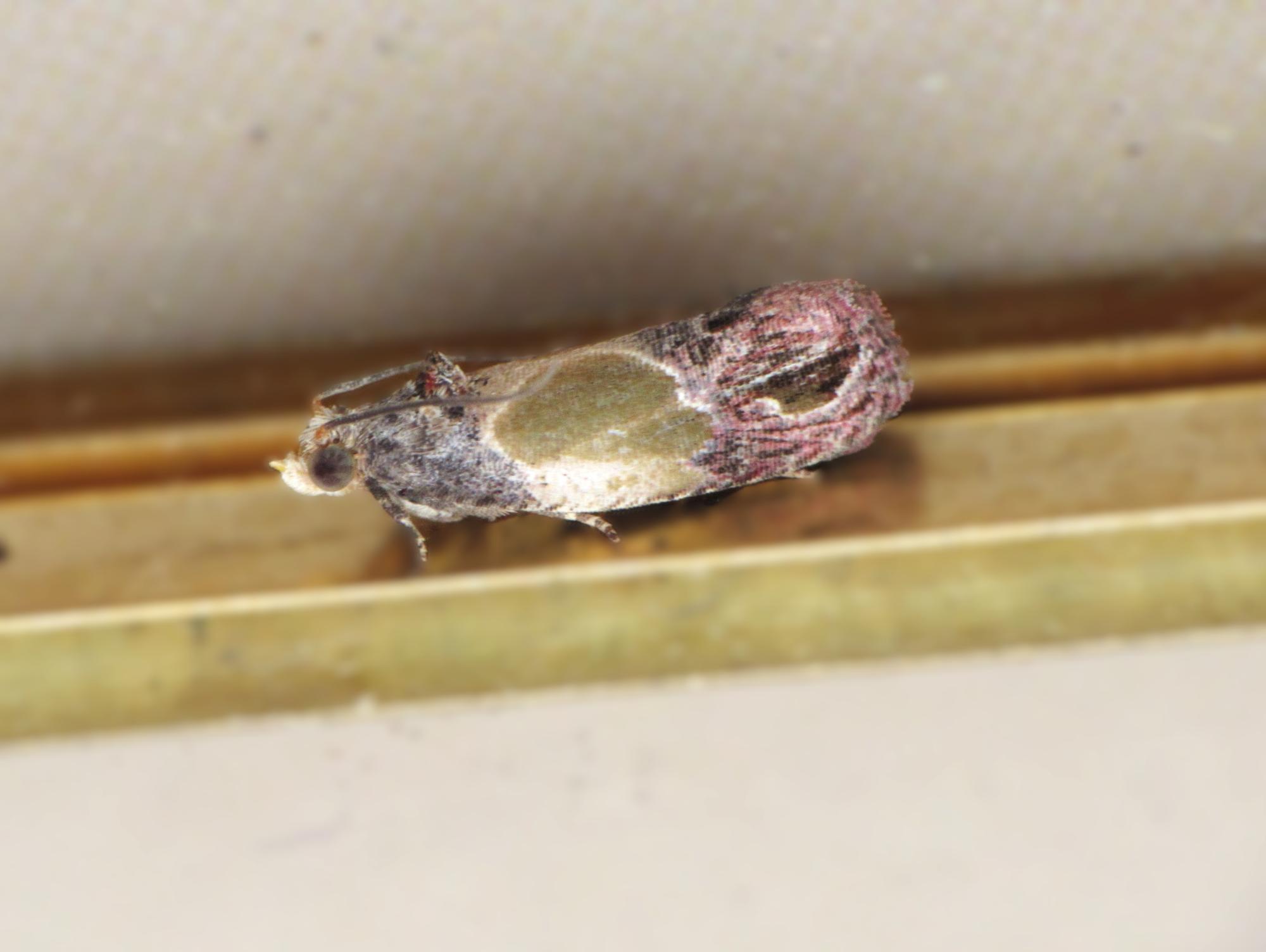
Another Codling Moth. Some individuals have neat reddish highlights on their wings. A couple of these moths have come to my lights in May, July, and August.
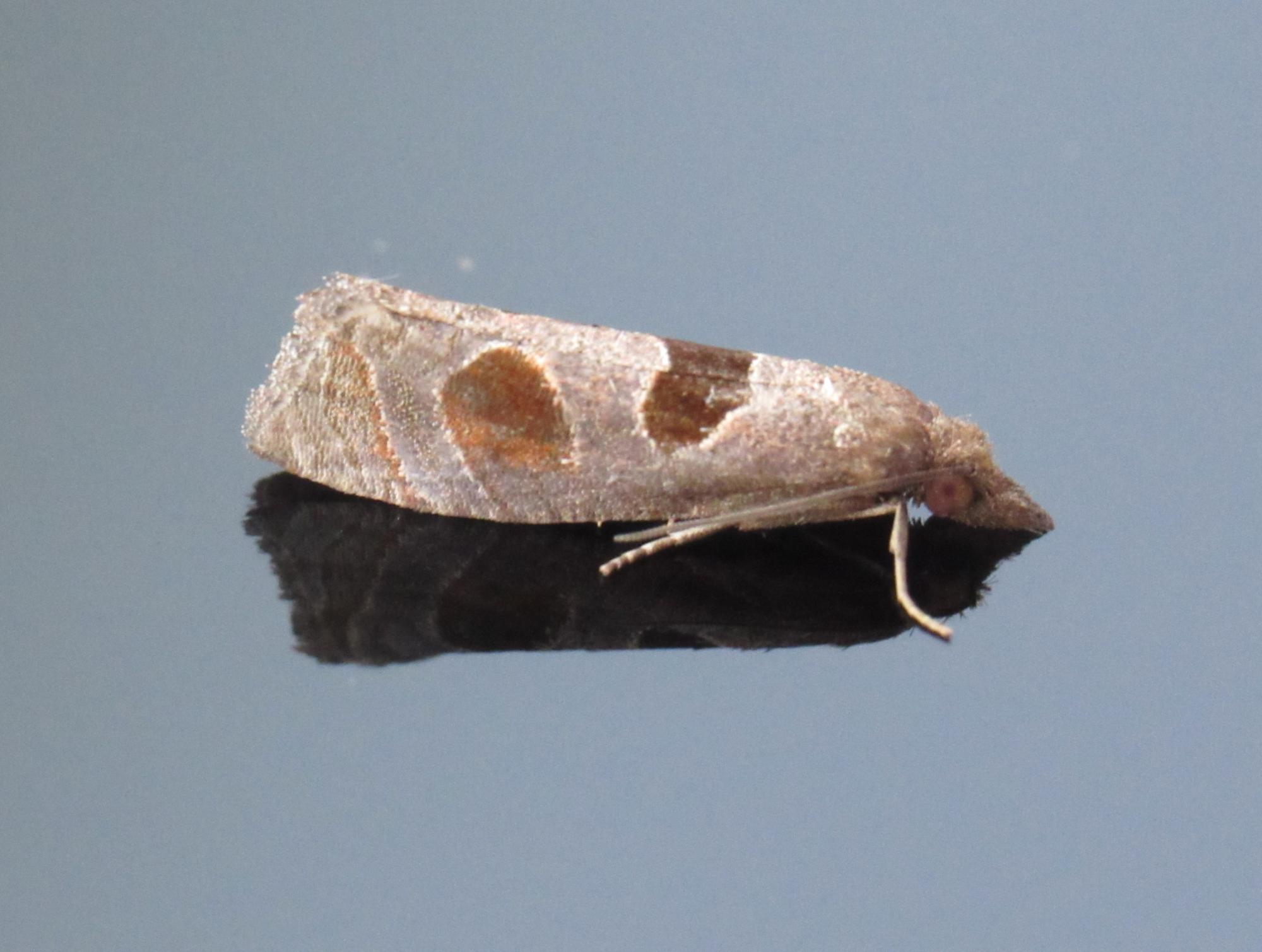
Similar Pelochrista. I have found a few of these moths at my lights in August and September.
Another Similar Pelochrista. Their caterpillars eat goldenrod.
Epiblema tandana. This species has a restricted range and is apparently not very common. This is my only sighting. Photographed June 3, 2024, at my moth lights.
Another Lead-colored Lichen Moth at my UV lights.


Greater Wax Moths usually have a few small bumps on the back of their wings.

Filbertworm Moth. I have seen a couple of these moths at my lights in August and September. They have silvery, metallic stripes on their wings.
This is another Similar Pelochrista. The shape of the dark red stripe on their wings is variable.

Brighton's Epiblema. A couple of these moths have visited my lights in August.