SNOUT moths
Baltimore Snout, an abundant species at my moth lights.
Sordid Snout. This is considered an uncommon species, but a few individuals have visited my lights. Compare this moth to the very similar Gray-edged Snout above. Sordid Snouts are less bicolored and they do not have the darker bicolored shading along the bottom edge of the wings.
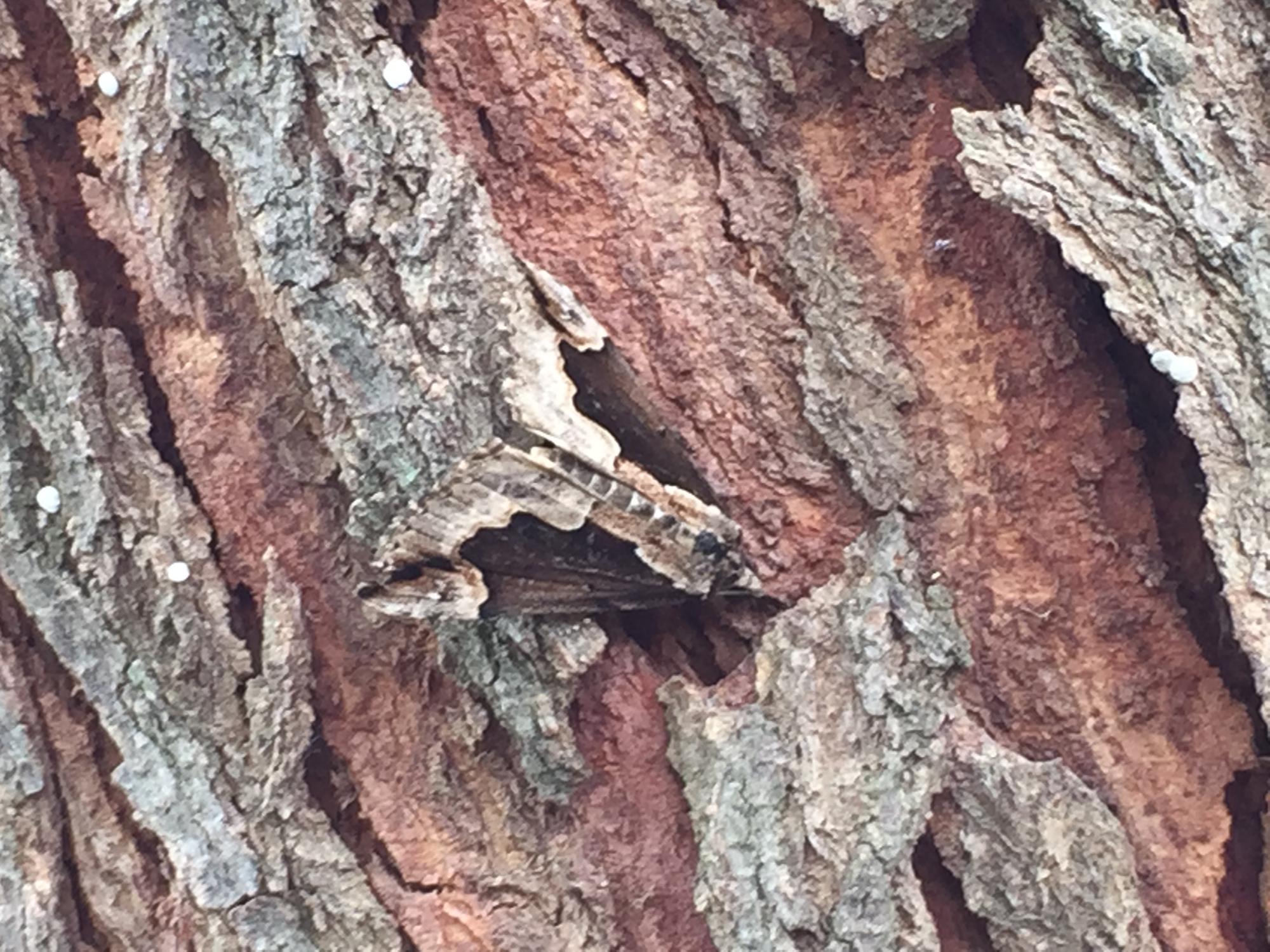
Baltimore Snout, neatly camouflaged against tree bark.
Gray-edged Snout. This is one of the prettier snout moths.
Deceptive Snout. I have found a few of these moths at my lights from May through August.
Another Gray-edged Snout. These are fairly common at my UV lights. I have seen them every month from April through September.
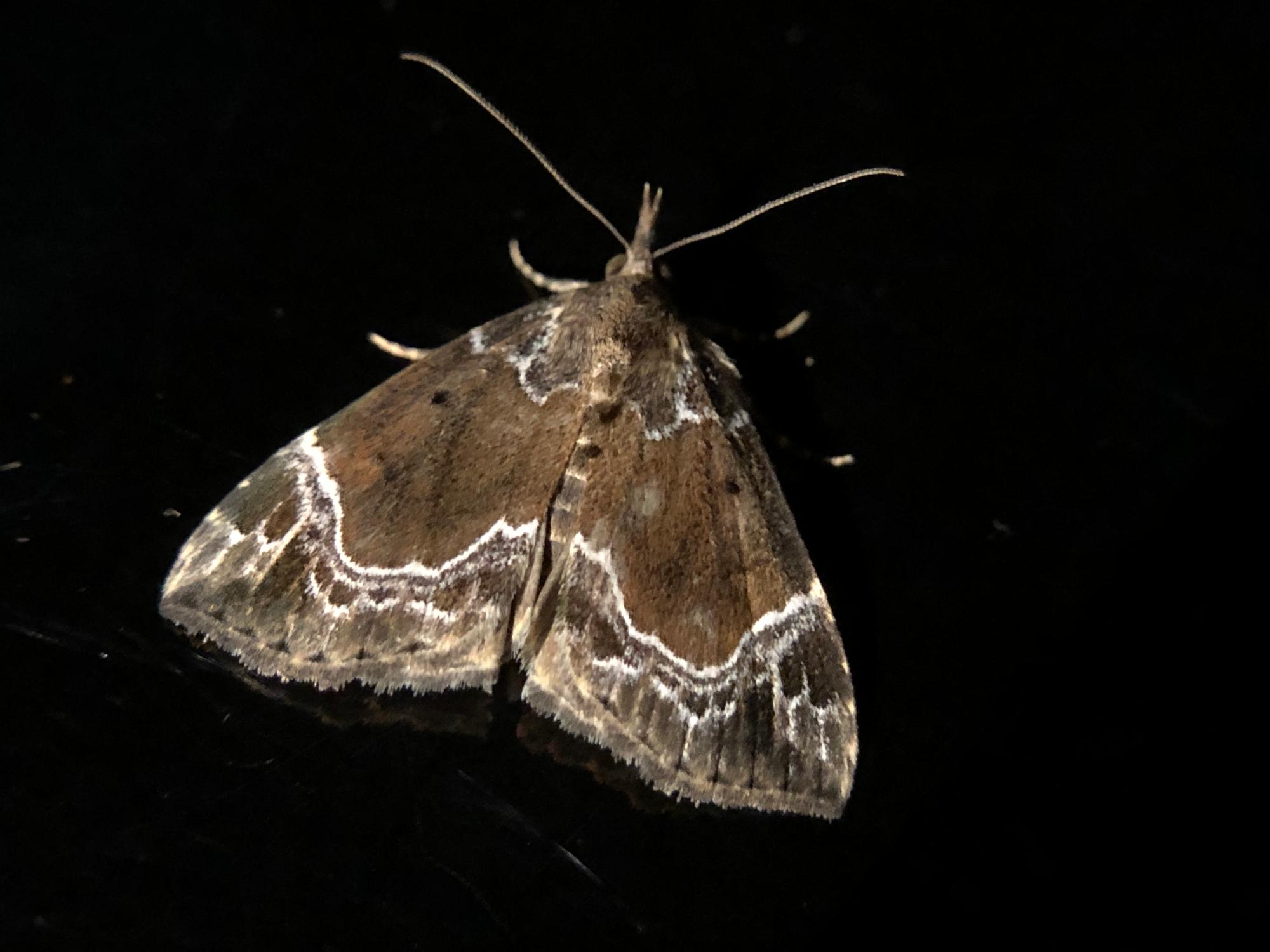
White-lined Snout moth. The host plant is slippery elm.
Dimorphic Snout moth. This is a female (males look completely different). These moths are very similar to the Baltimore Snout (above), but notice that the bottom edge of the dark patch is nearly horizontal across the wings rather than slanting at an angle. Also, notice that there is one prominent "tooth" on each wing pointing downward from the dark patch.
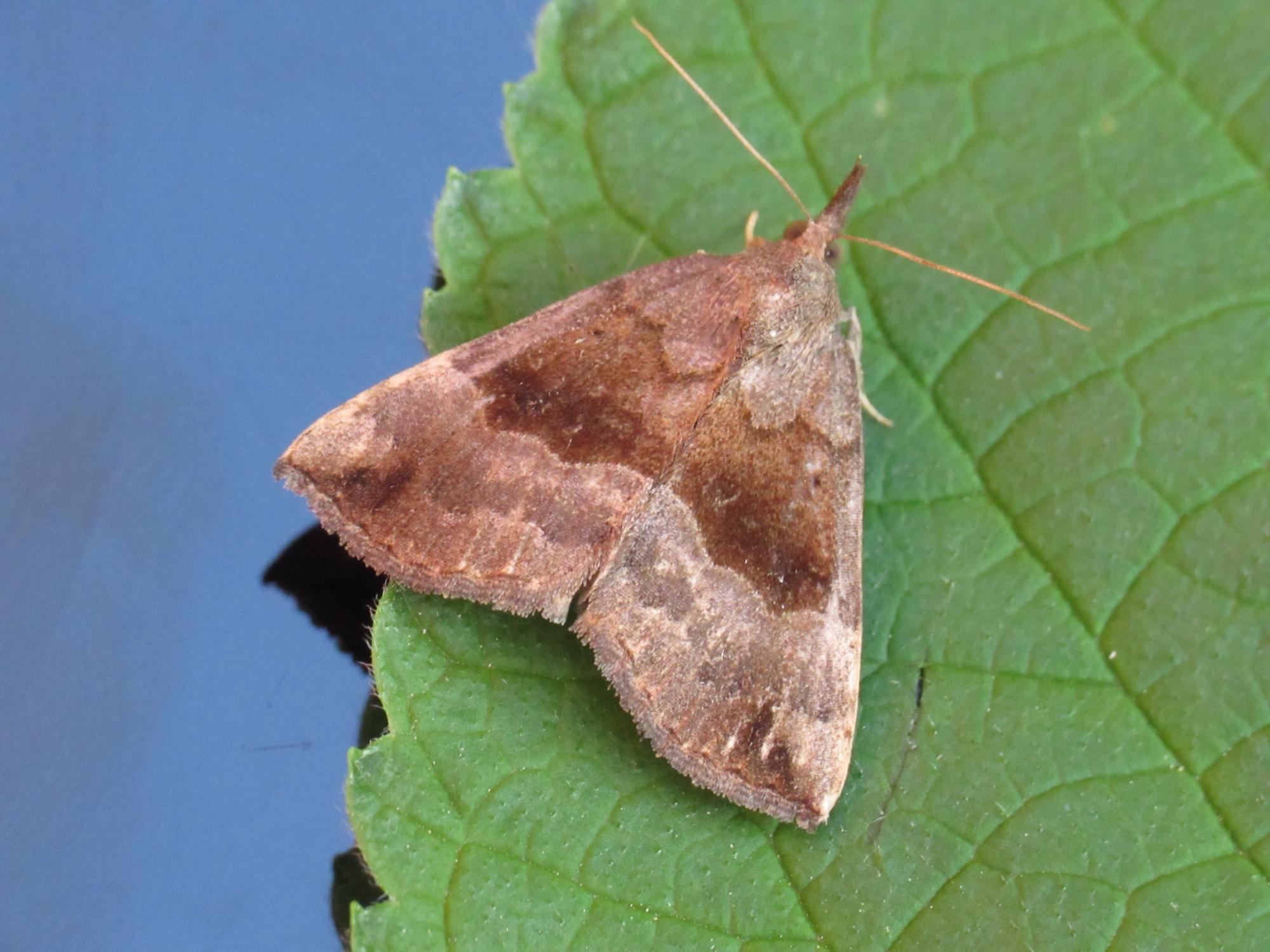
Another Baltimore Snout. I see these moths every month from March through October.
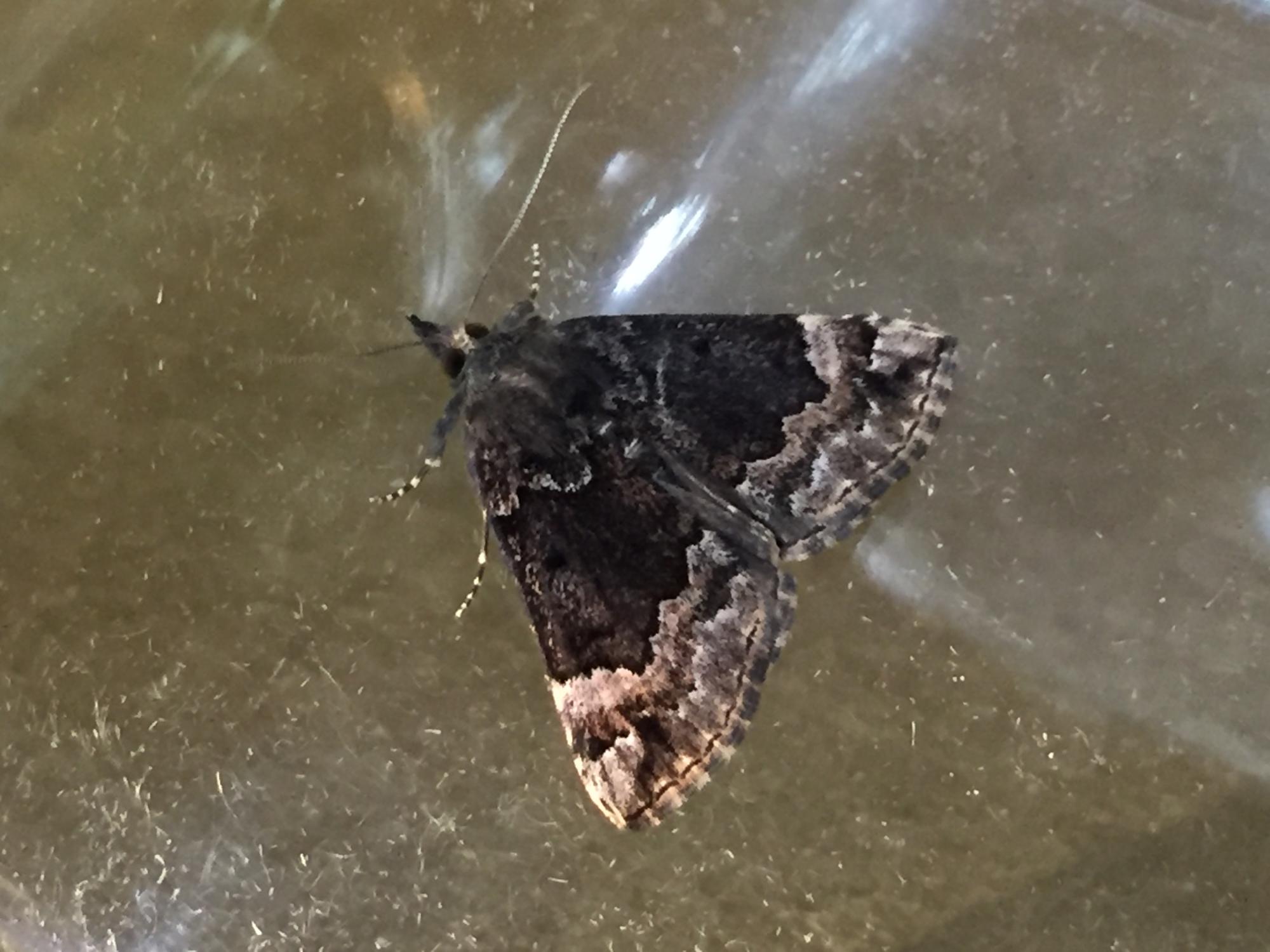
Flowing-line Snout moth. This species has only visited my lights twice: on August 3, 2022, and September 11, 2025.
Mottled Snout moth, photographed May 13, 2018 at Hocking Hills. I have never found this species at my home lights.
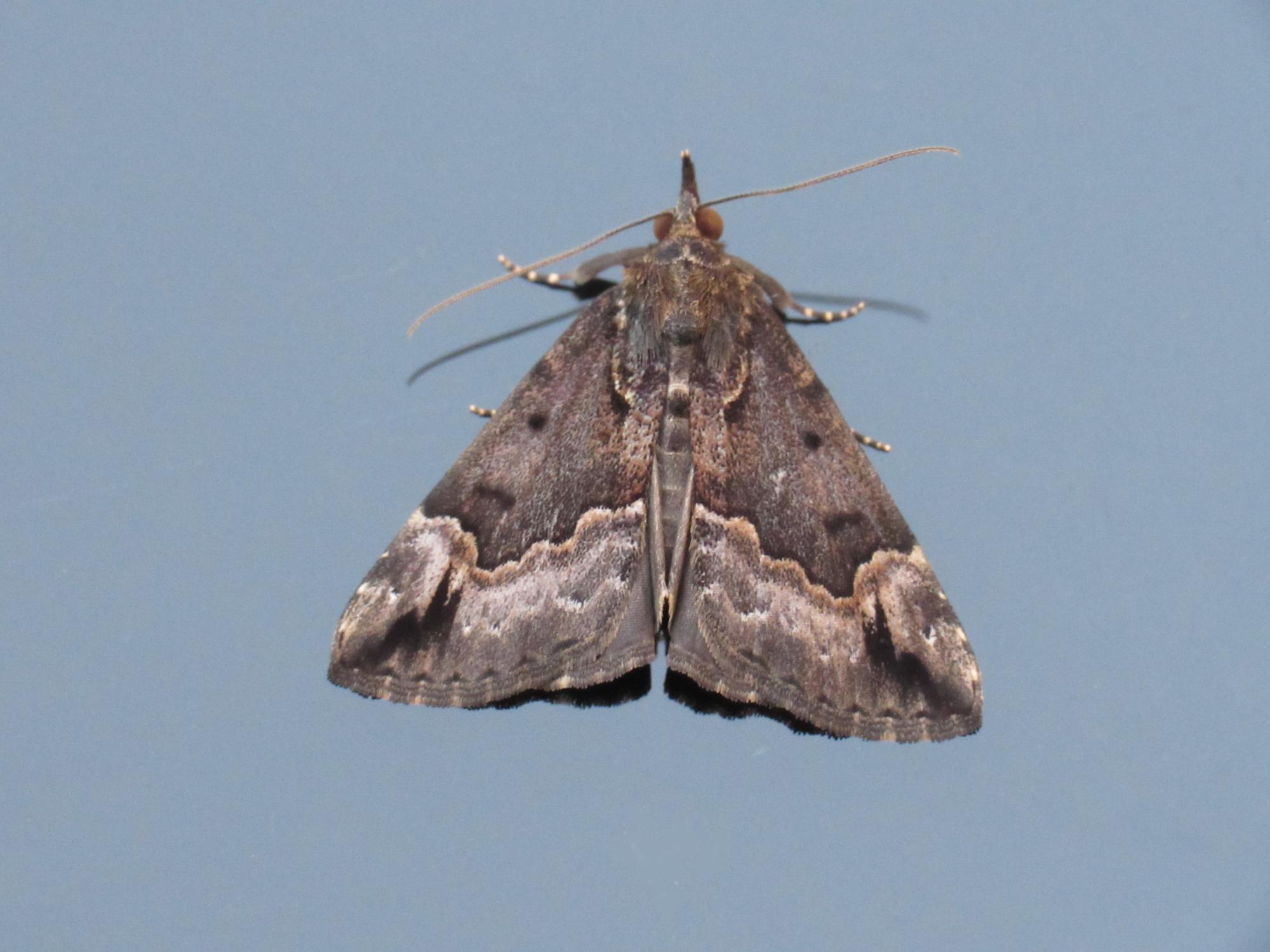
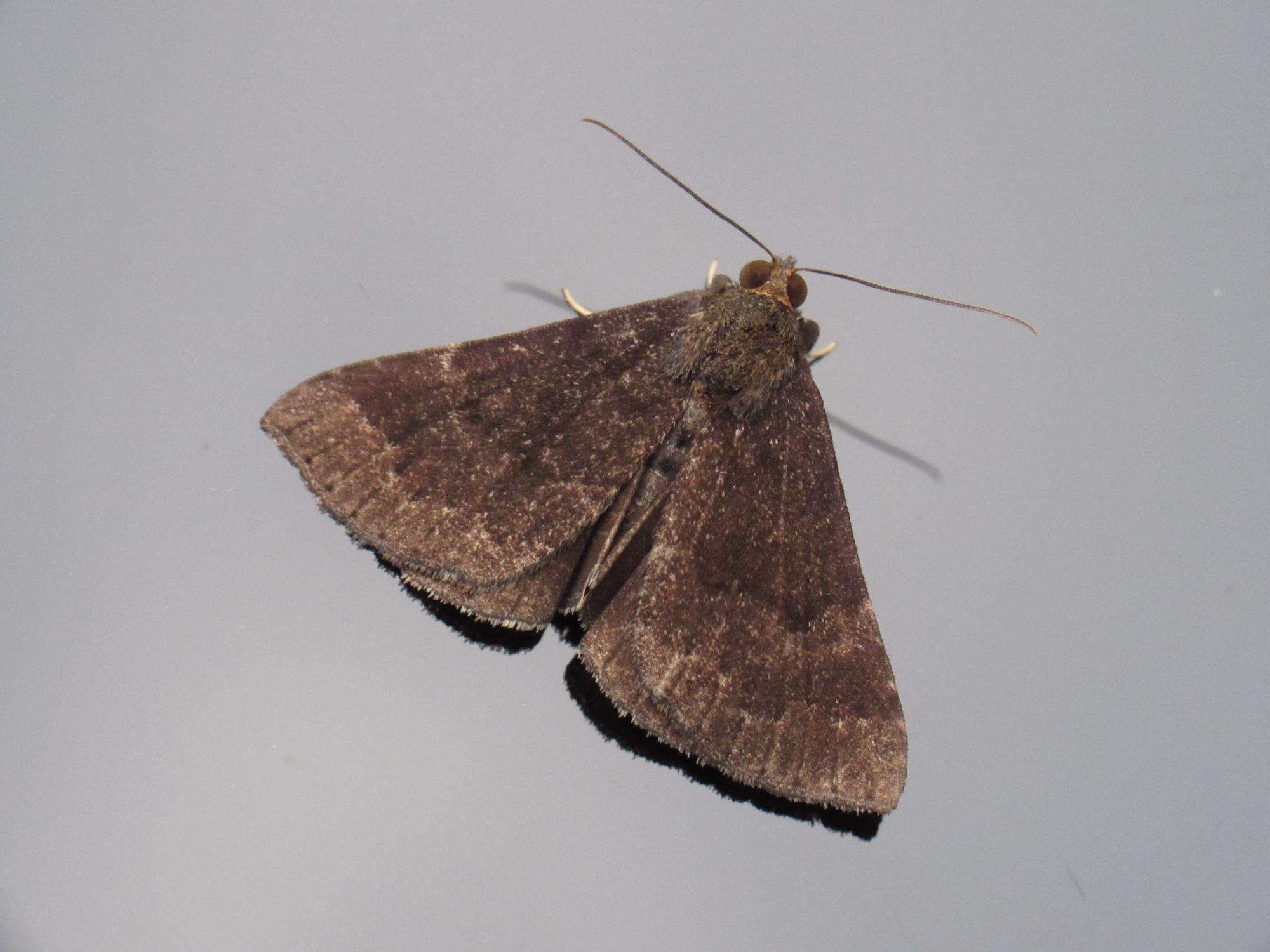
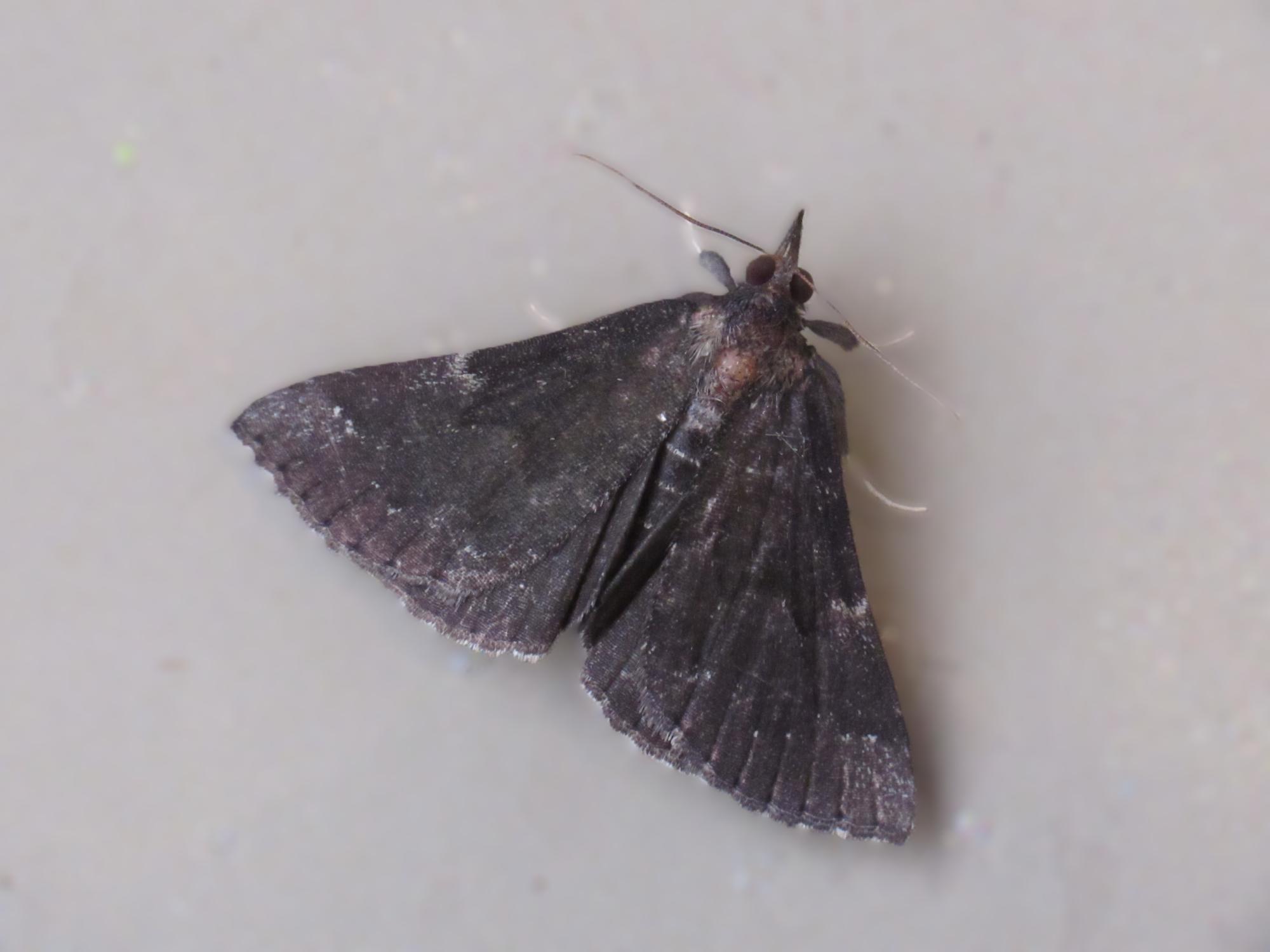
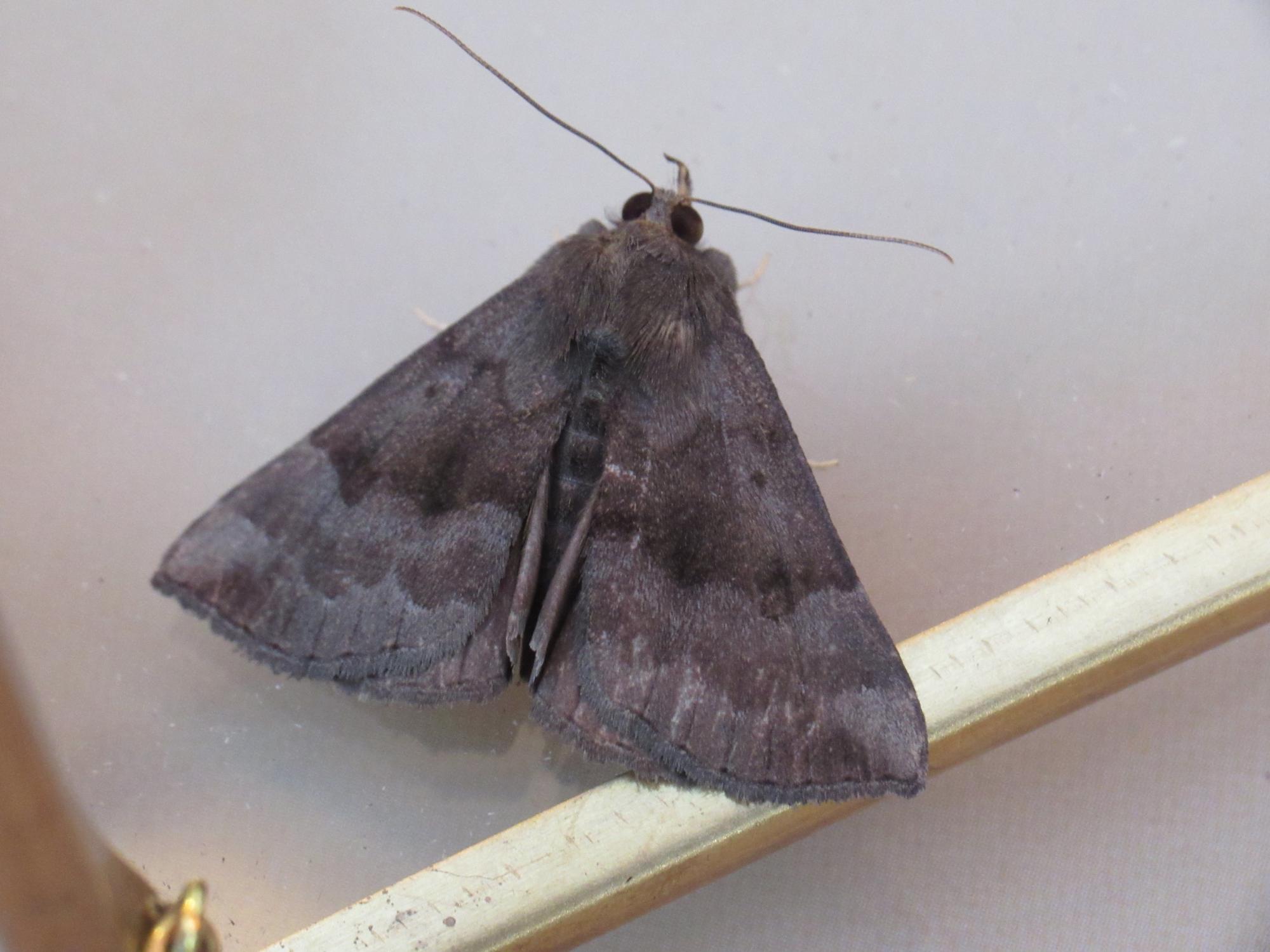
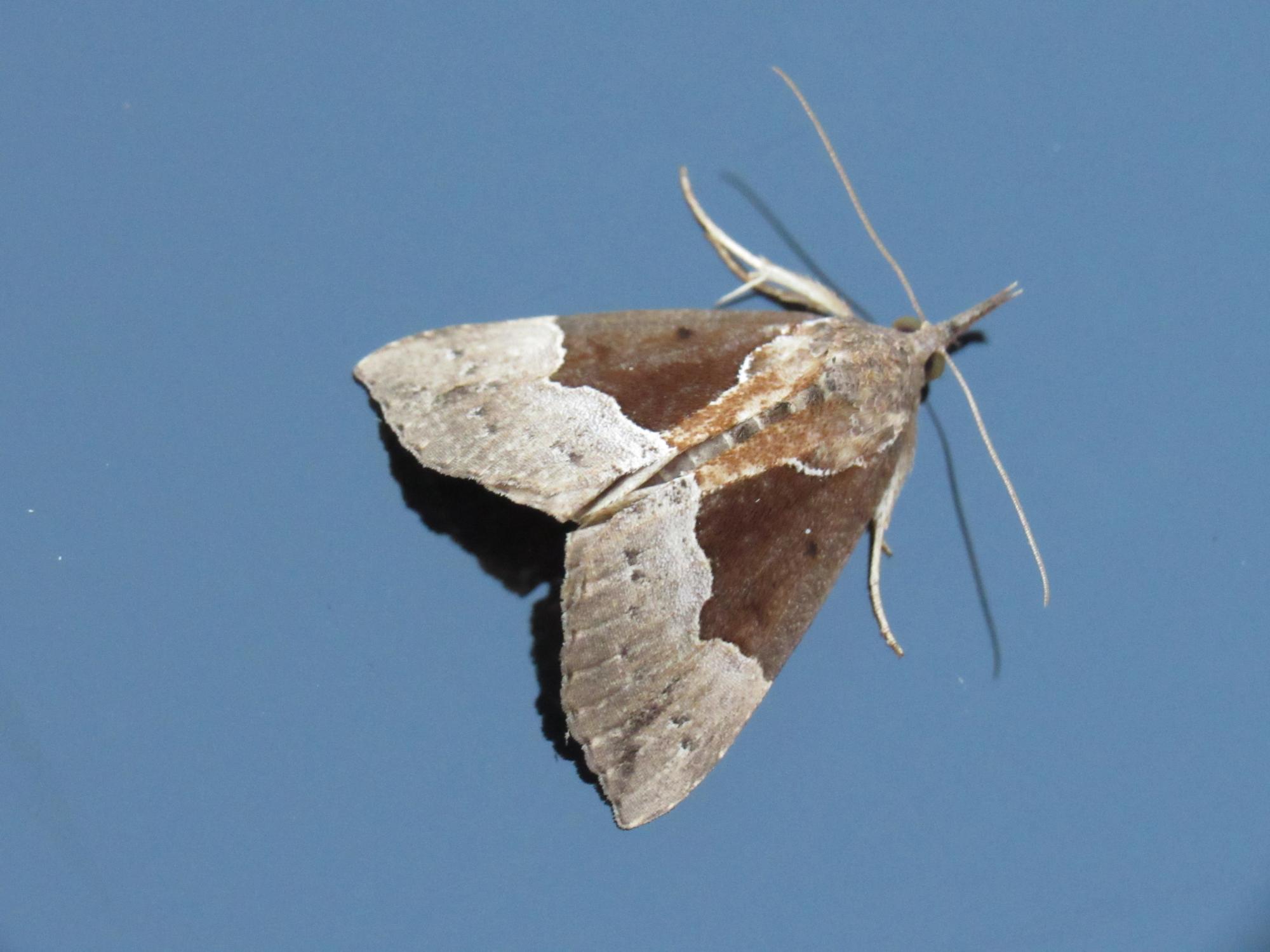
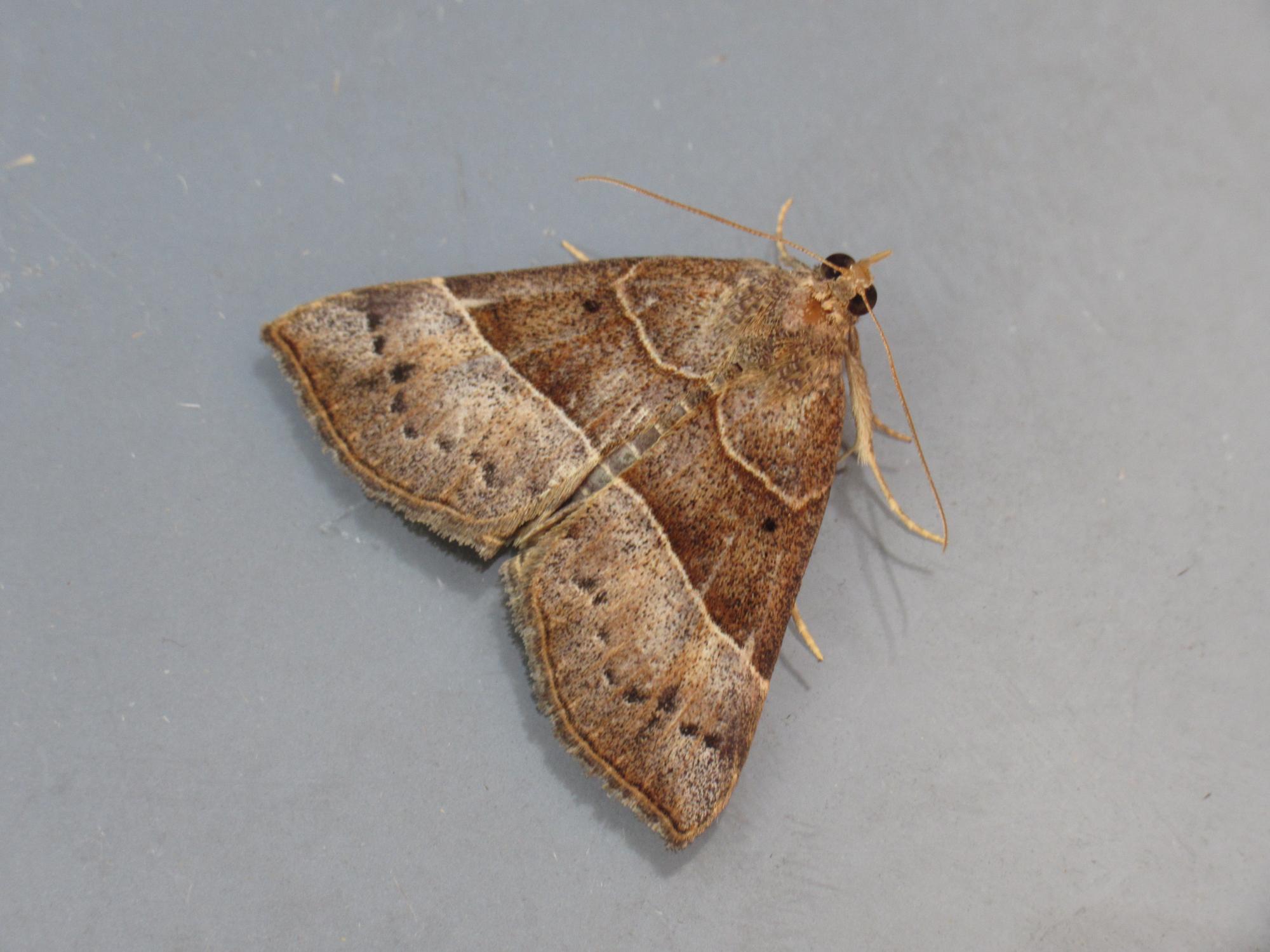
Another Sordid Snout. I find them at my lights in small numbers from May through July.


Some Gray-edged Snout moths are plain gray, like this one, rather than lavender-brown like the two individuals above.
Another White-lined Snout moth. This one was photographed at Hocking Hills on May 11, 2025. I have also found this species at my home lights every month from June through September.
Another Dimorphic Snout moth. I have found a few individuals at my lights from May through September.